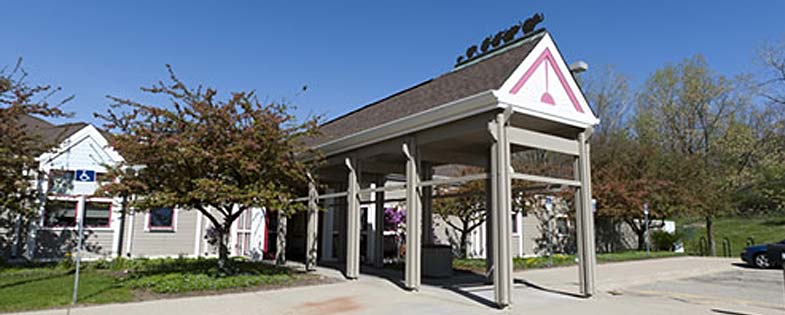
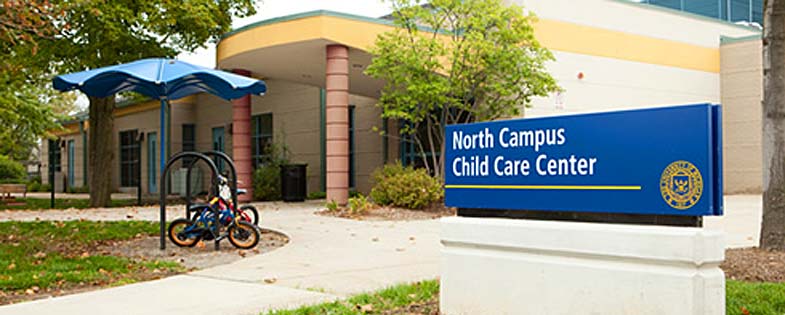
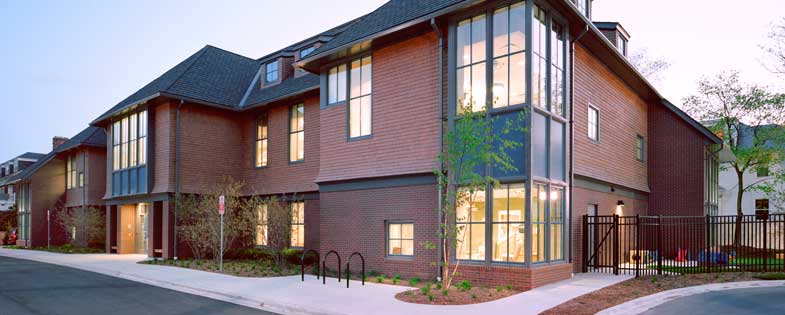
The University of Michigan Children's Centers support the teaching, research and service missions of the university by providing exemplary care for children of faculty, staff and students. U-M and community families are invited to learn more about our waitlist and apply using our online form.
Our state-licensed programs provide a supportive learning environment for young children where each child's day has an individual rhythm, as well as a predictable flow and structure. To ensure this balance, we provide a warm, nurturing setting that encourages children to learn through hands-on interactive exploration. A play-based approach provides a child-centered, teacher-guided curriculum, in which children are encouraged to construct their own knowledge.
We are committed to creating a nurturing learning environment in partnership with parents to develop a sense of belonging and high self-esteem in each child. We believe this philosophy represents a strong foundation on which to begin lifelong learning and to launch a positive sense of self, others and the world.
See a PDF of the Child and Family Care 2023 Impact Report.
The U-M Children's Centers are a part of University Human Resources. Christine Snyder, Director of Child and Family Care, has oversight of the three U-M Ann Arbor Children's Centers.
Nature-based Classrooms at the U-M Children’s Centers
See this Google Photos album for more photos of the Children's Centers and classroom experience.